

ISO 13485 quality management
ISO 13485-certified processes support the rigorous quality requirements of medical device content.
The Challenge
Life sciences content must communicate complex medical and scientific information accurately while supporting the regulatory requirements of each target market.
We help medical device manufacturers and other life sciences companies launch globally with clear, consistent and compliant multilingual documentation.
How We Work
Every life sciences project is designed around controlled processes, subject-matter expertise, information security and traceability.
ISO 13485-certified processes support the rigorous quality requirements of medical device content.

Professional linguists work with target-market terminology and requirements relevant to authorities such as the EMA, FDA and national regulatory bodies.

Medical and scientific subject-matter expertise helps preserve meaning across highly specialized content.
Sensitive information is handled through controlled workflows aligned with ISO 27001 information security requirements.

Documented processes, terminology management and quality controls provide visibility throughout the localization lifecycle.
What We Localize
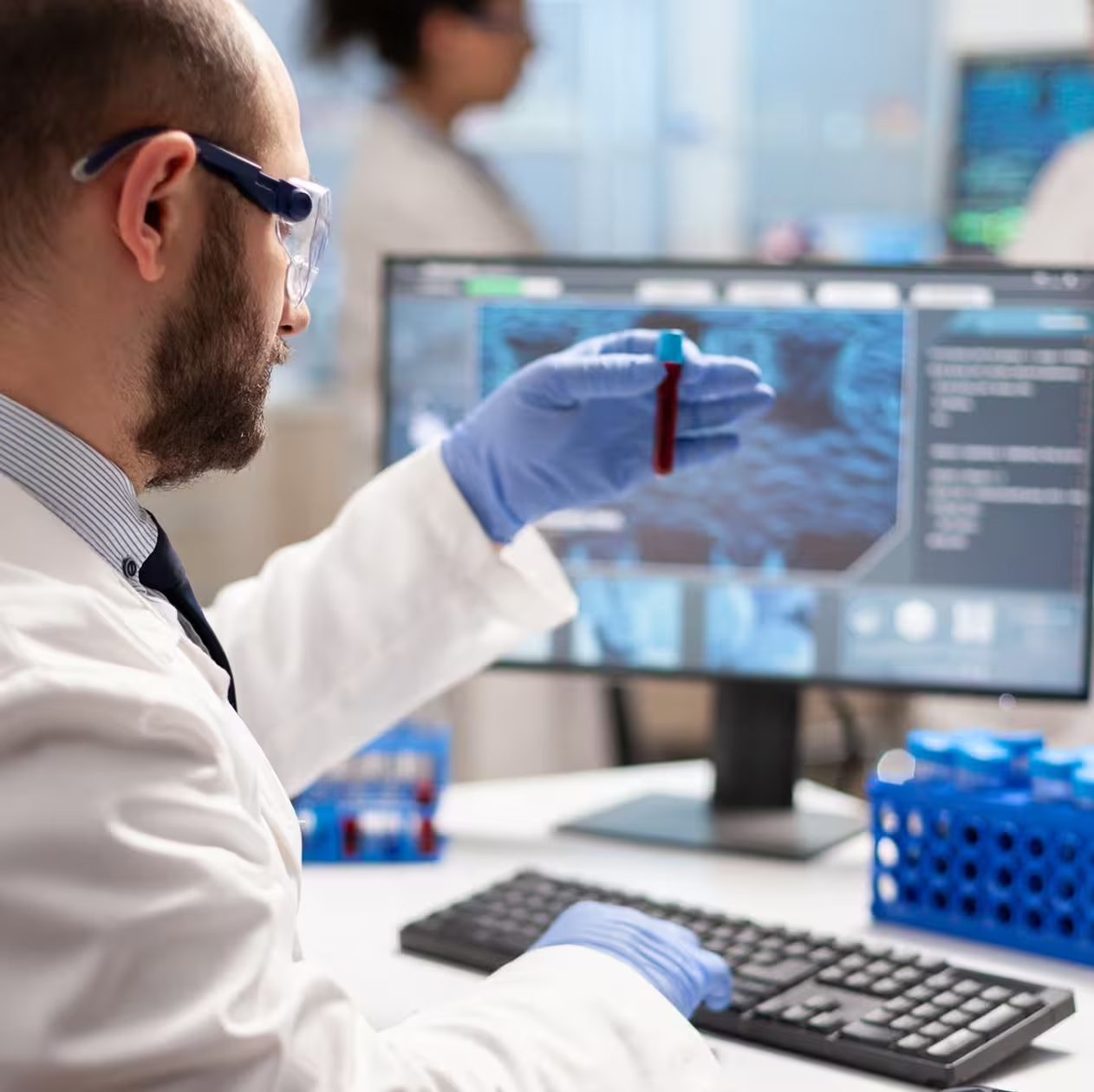
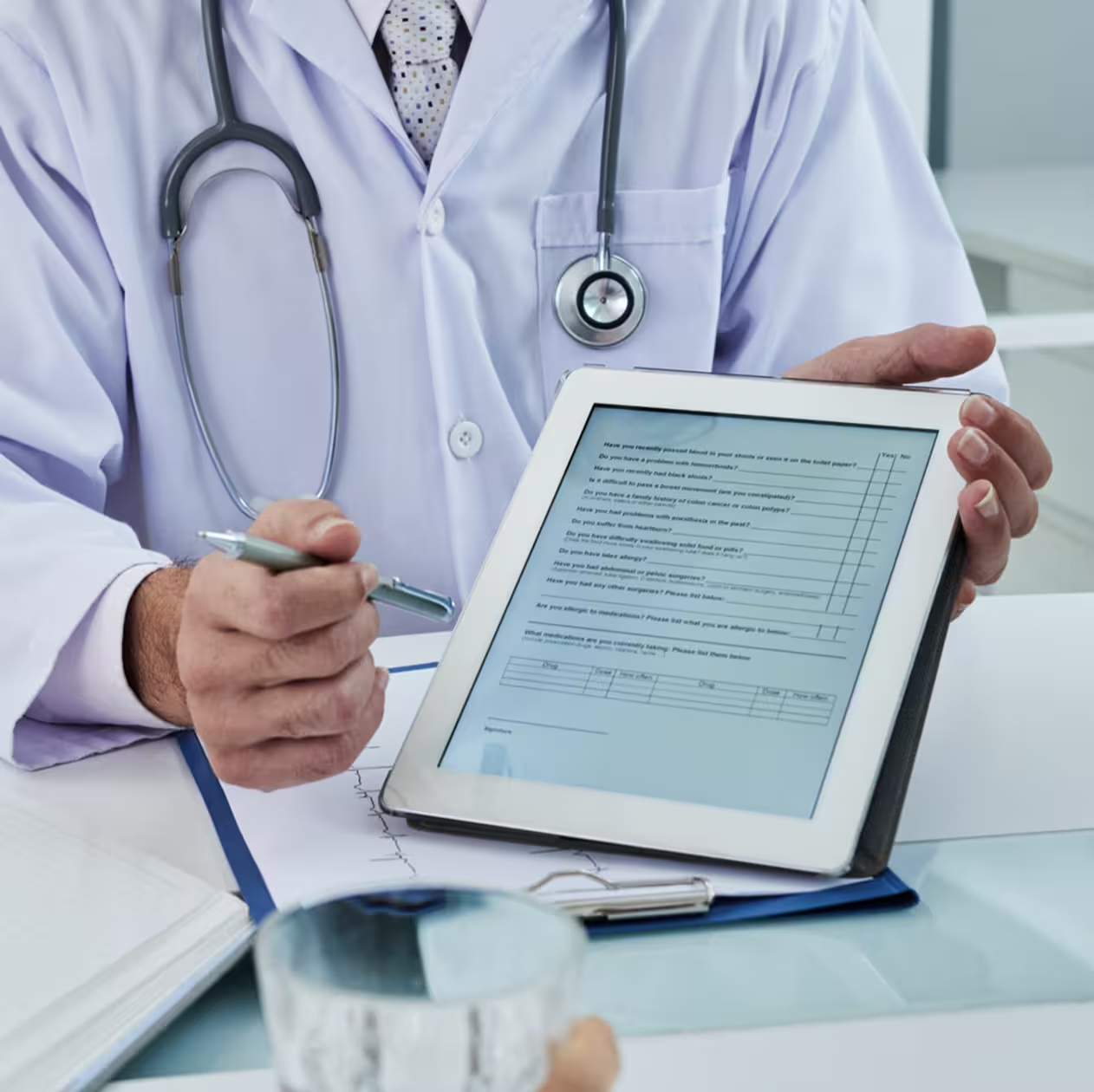
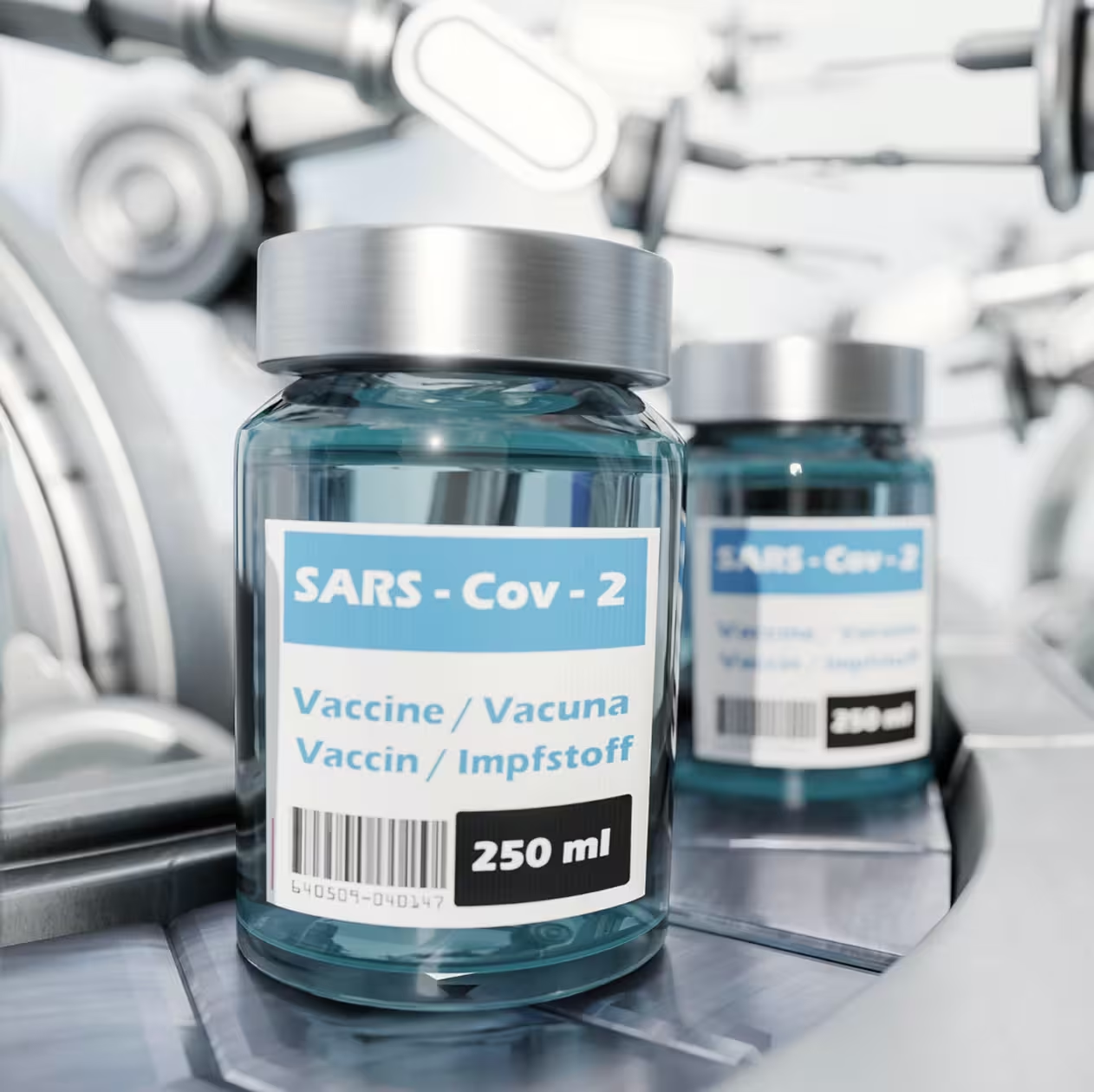
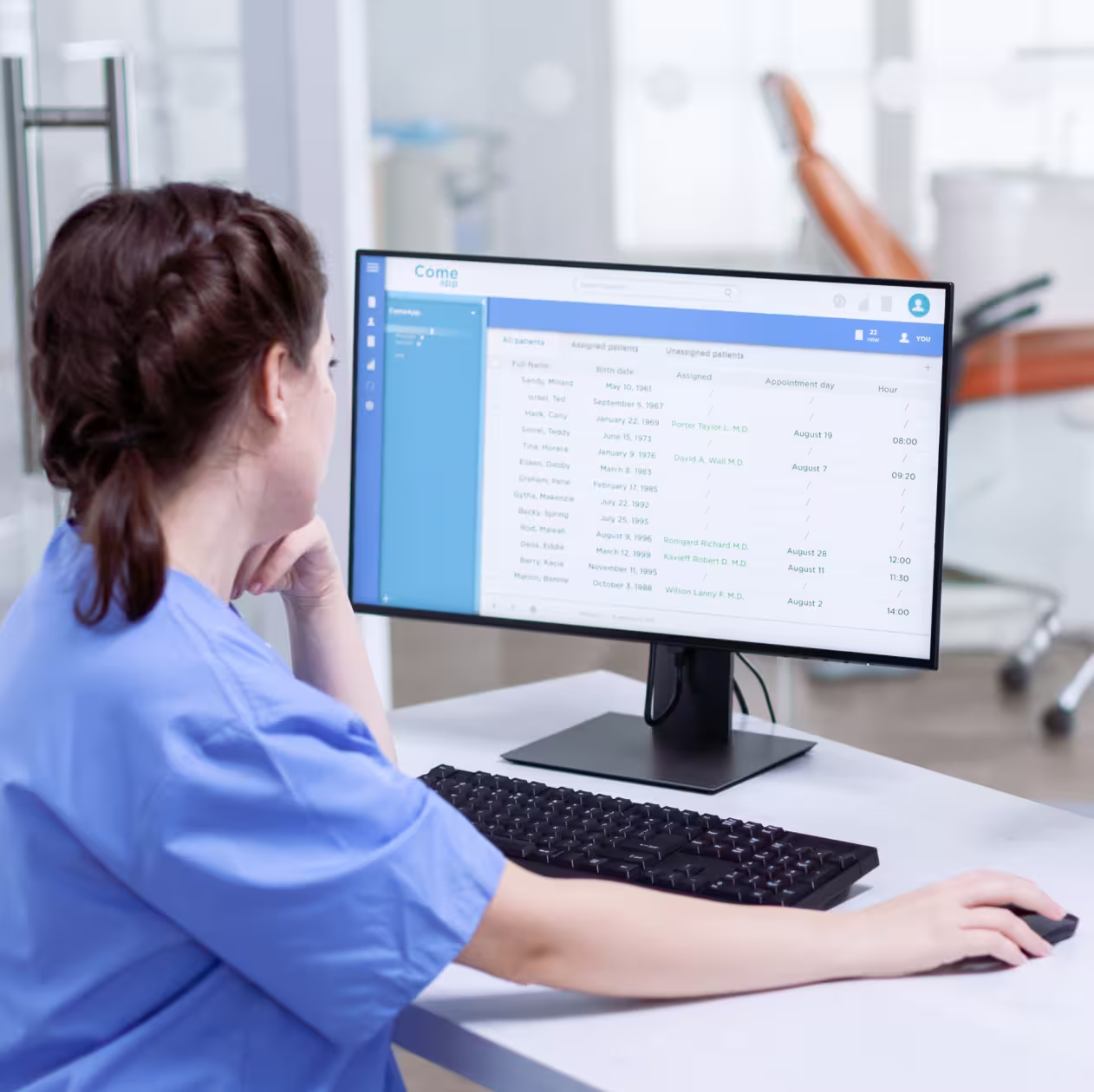
From regulatory submissions to patient-facing information and medical software, we localize the content your teams, regulators, healthcare professionals and users rely on.



What Can Go Wrong
Even a small linguistic inconsistency can affect regulatory review, product use, market readiness or the integrity of critical information.
Let’s talkContent that does not reflect target-market requirements can delay review and approval processes.
Inaccurate or inconsistent terminology can change meaning across critical documentation.
Unreviewed machine translation can introduce errors into sensitive medical and regulatory content.
Outdated or mismatched content can create inconsistencies across markets and document versions.
Patient-facing or clinical content requires controlled validation when linguistic equivalence is critical.
Clinical, regulatory and product information requires secure handling throughout the localization process.

How we prevent it
Our workflows combine quality management, regulatory expertise, specialist knowledge and controlled technology.

A quality management framework aligned with the stringent requirements of the medical device industry.

Processes designed to support consistent terminology, controlled documentation and target-market regulatory requirements.

Qualified linguists with medical, pharmaceutical and life sciences expertise work on specialized content.

Confidentiality, controlled linguistic validation, documented quality assurance and full project traceability are built into the workflow.
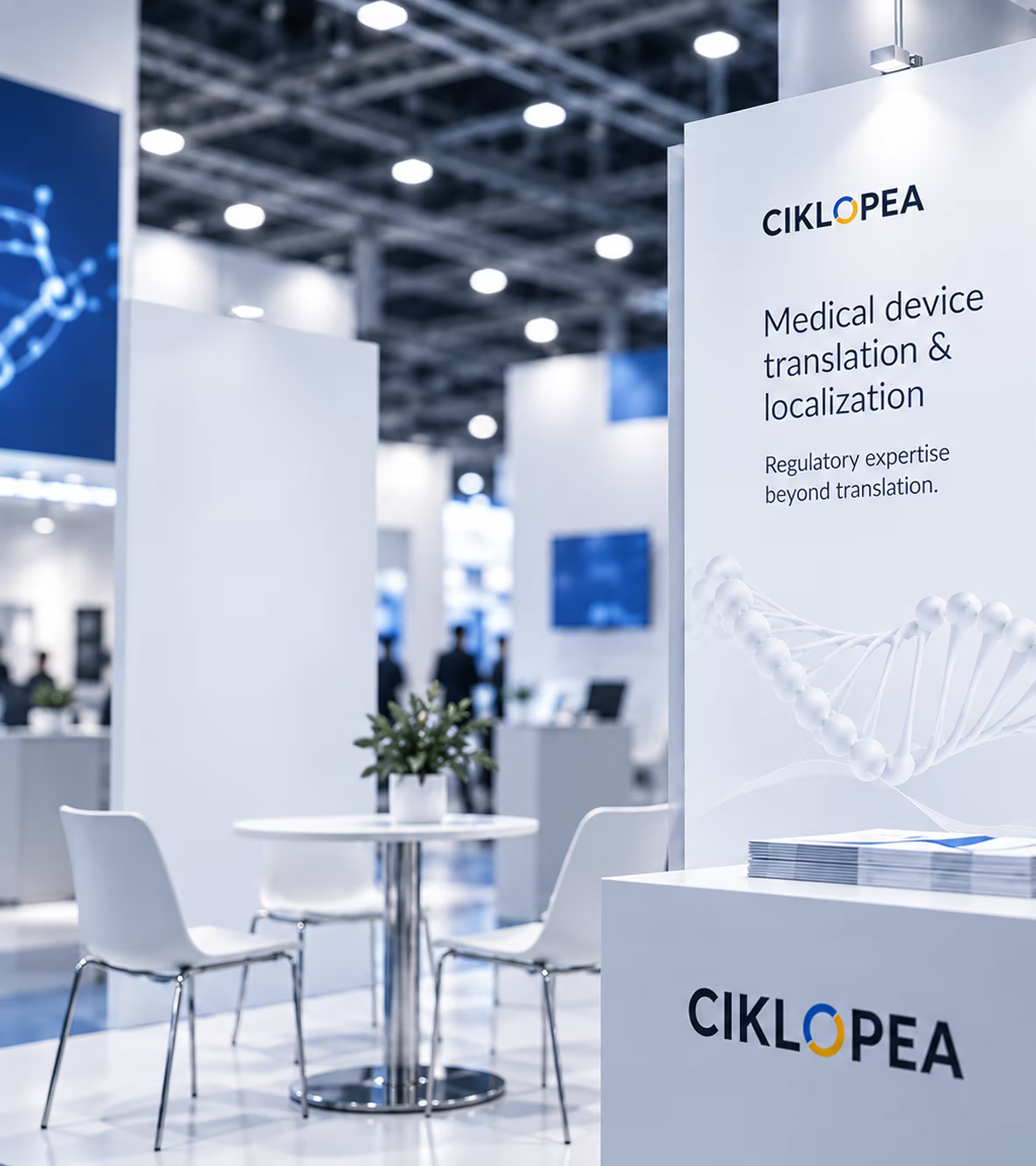
We’ll be at MEDICA Düsseldorf and would be glad to connect with medical device manufacturers, pharma companies, healthcare technology providers and life sciences teams operating internationally.
AI & MT for life sciences
AI and machine translation can increase localization speed and scalability, but regulated life sciences content requires the right technology, the right content strategy and qualified human oversight.
Yes, for suitable content and use cases. We assess content sensitivity, complexity and quality requirements before determining whether machine translation should form part of the workflow.
Machine-translated content can undergo professional post-editing by qualified linguists, terminology checks and structured QA to ensure the output meets defined project requirements.
Translation memories, approved glossaries and terminology databases help maintain consistent medical, technical and product terminology across languages, documents and updates.
Technology can automate repetitive and scalable localization tasks, while expert linguists and controlled review stages remain central where regulatory, clinical or patient-facing accuracy is critical.
Automation, reusable translation assets and intelligent workflow management reduce repetitive work and accelerate suitable content without removing the specialist human expertise required for life sciences localization.
Case study
JGL, one of Croatia’s leading pharmaceutical companies, needed a faster way to continuously translate internal SharePoint content into Croatian, English and Russian.
Ciklopea connected its translation environment directly with JGL’s SharePoint workflow, reducing manual handoffs and enabling multilingual content to move through the process more efficiently.
Read the case study
Let’s talk
Tell us about your content, target markets and regulatory requirements.
We’ll create a life sciences language solution tailored to your documentation, quality requirements and multilingual workflow.